“Opposing the autocrat is not the hard part. The hard part is figuring out what to do about it.”
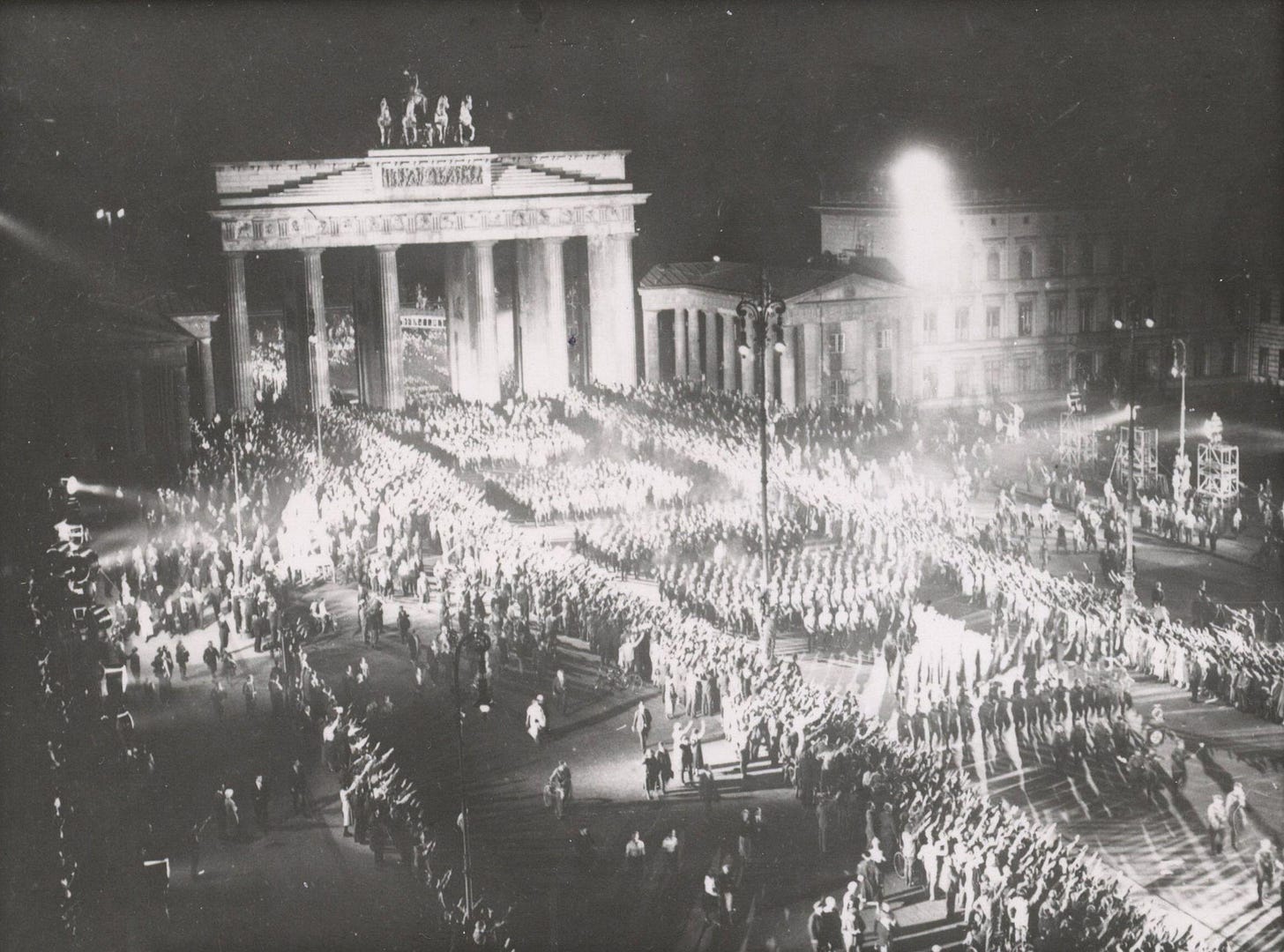
“The morality of living in autocratic societies is complicated. Power becomes its own rationale, a magnetic force that tugs on everything around it. The strong cannibalize the weak. Not everyone has the same agency to make choices. And resistance is usually a high-risk, low-reward enterprise with its own quandaries and moral dead ends. In other words: Opposing the autocrat is not the hard part. The hard part is figuring out what to do about it.”
You can read all the installments here. Do subscribe (it’s free) and spread the word. ___________________________________________________________________________________
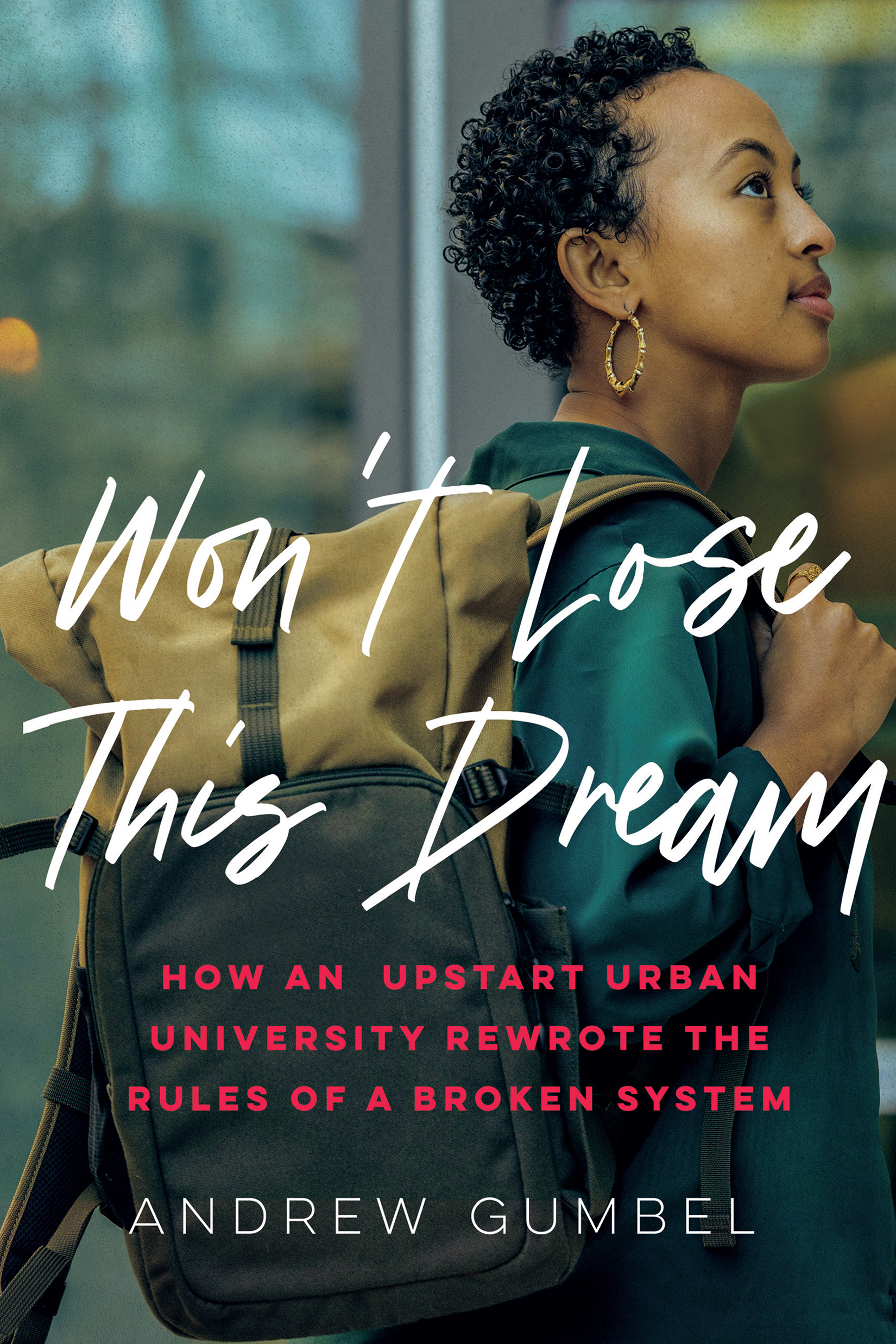
Andrew’s book, Won’t Lose This Dream: How an Upstart Urban University Rewrote the Rules of a Broken System, is now out in paperback with a new afterword. It tells the remarkable story of Georgia State University in downtown Atlanta, which has overturned the received wisdom that lower-income, minority, and first-generation college students are doomed to fail in large numbers — they are not — and transformed the national conversation about what universities owe to their students. At a time when universities are being sucked into the national political conversation and facing considerable upheaval as the Trump administration wages what it calls the “war on woke”, the Georgia State model provides a vital corrective to many of the assumptions circulating in Washington about the reality of higher education for most Americans.
The book is available from Amazon , BookShop.org, and many other booksellers.
More on the book, plus glowing reviews, an award, and press coverage, here. And here is a list of favorite books inspired by my work on Won’t Lose This Dream.
___________________________________________________________________________________LATEST JOURNALISM:
The second Trump administration and the thunderous changes it has wrought have been the inevitable theme of a lot of my recent work. Here is a piece on the many ways in which the administration is planning to put its thumb on the scale of November’s mid-term elections. Here is a piece explaining the earthquake shaking the immigration court system and why some of the administration’s stealth tactics have taken even seasoned lawyers and judges by surprise.A couple of older pieces that pick up some of the same themes:
- In the wake of the 2024 presidential election, I traveled to Youngstown, Ohio, a depressed Rust Belt city that has been let down by Donald Trump — as it has by many politicians — but has become a bastion of MAGA support nonetheless. Here‘s my report on how people there think and why Trump managed to win. In The Observer.
- I also traveled to Kalispell, a small, conservative city in northwestern Montana that is waging war on its own homeless population, to the point where dog whistles from the political leadership have led to acts of violence including the brutal murder of a homeless man in a parking lot. The city has also scapegoated a privately run emergency cold-weather shelter — only the shelter has found effective ways to fight back. In the Guardian.
A lot more of Andrew’s journalism can be found here.
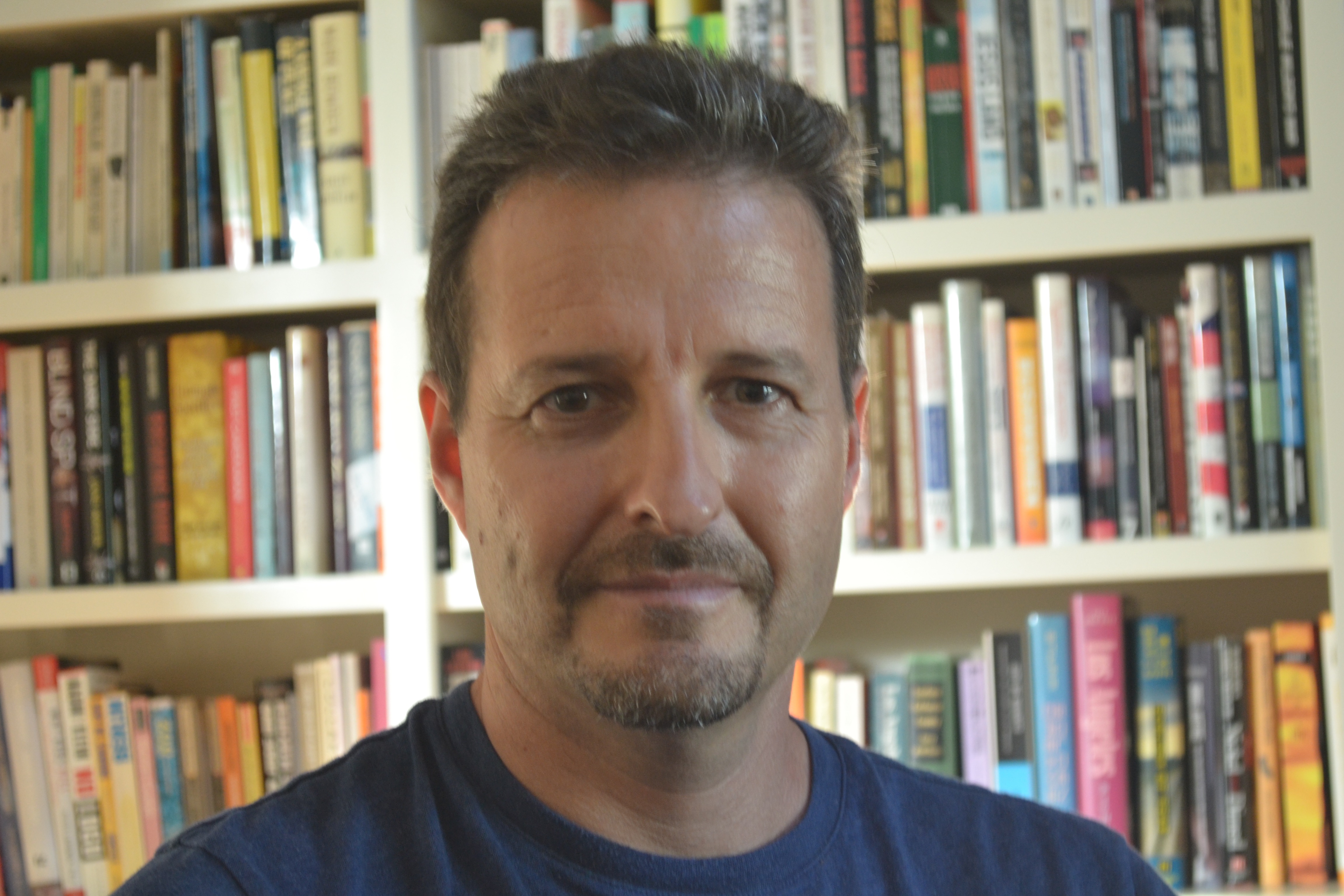
Andrew Gumbel is a British-born author and journalist, based in Los Angeles, who has won awards for his work as an investigative reporter, political columnist, and feature writer. He writes frequently about politics, education, the criminal justice system and many other subjects, mostly for the Guardian.